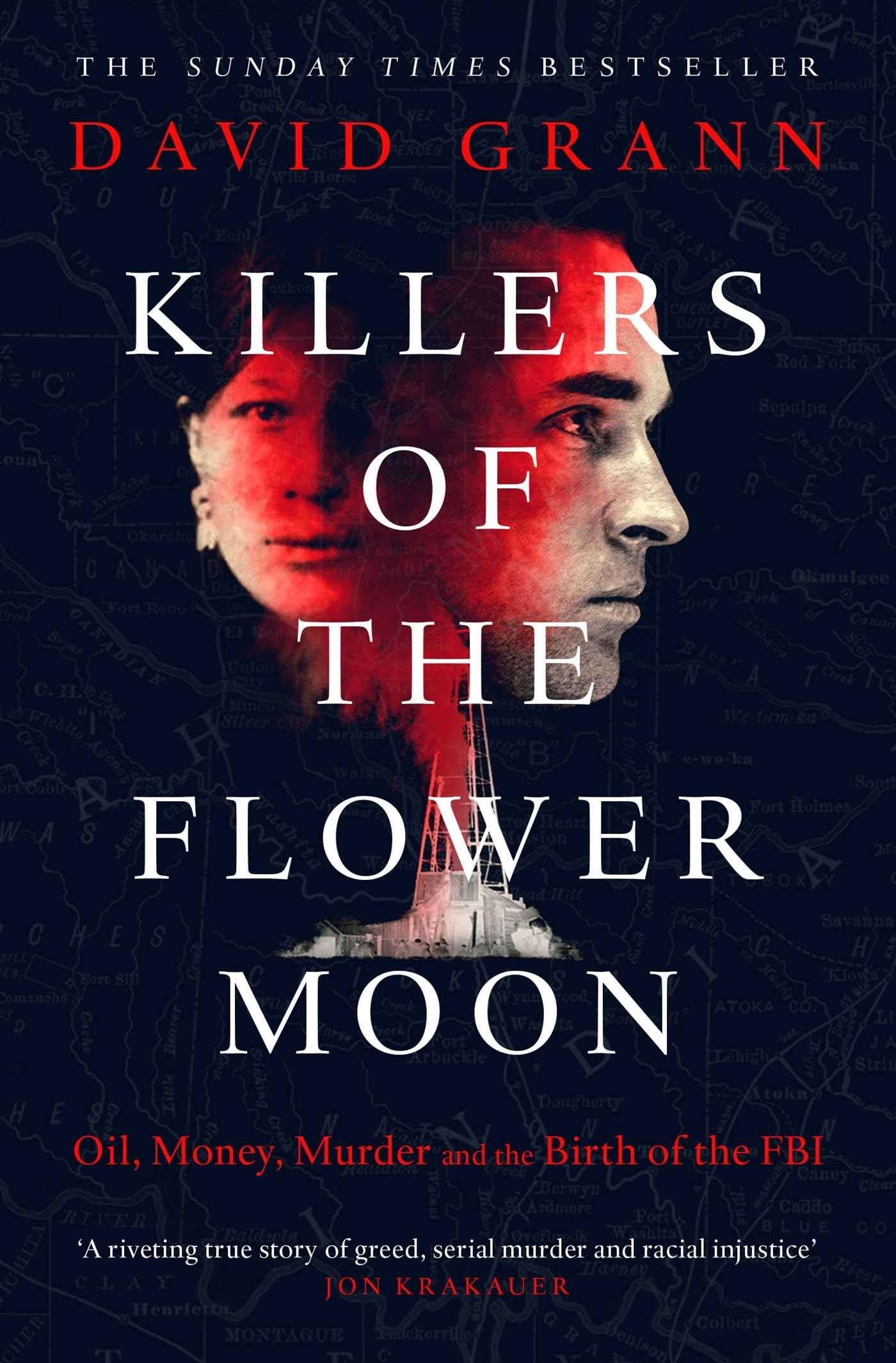
desertcart.com: Killers of the flower moon: 9780857209030: Grann, David: Books Review: A historical murder mystery that reads like a crime drama. A good one. - A well researched, very well written (including organizationally) narrative history on a subject that has been given attention in the literature but remains relatively unknown by the general public. The murders of the oil rich Osage numbered over a couple dozen and for some brief period a mystery to Osage and authorities alike. I should say, federal authorities. While the murders were another reflection of the shameful treatment of the First Nation people in a historical context, in the instance the perpetrator was a local prominent white man living as a friend of the Indians in their midst. The book deals with how the murders were solved and involved a whole cast of characters including tribal members themselves, for several their lives well recounted. Were it not for the underlying disregard for their race and therefore worth as human beings, this story is very much the age old story about human greed. But thanks to the efforts of federal law enforcement as came to be embodied with the founding of the FBI, the perpetrators, largely Whites but not exclusively, were caught and prosecuted. It is how the author weaves together the story to solve the mystery and in the process ties in side stories about the Indian plight in America and how the Osage by virtually total accident came to reside in one of the richest oil reserves in the country and as a consequence became for a time, the richest Americans because of royalties from the mineral rights, that provides for compelling reading. A positive aspect of the writing is that while the author engages in a handful of side stories to add perspective, they are efficient and accretive to the story, not mini books in themselves that become tedious distractions to the story that characterize too many works of non-fiction. When the main story ended about three quarters through and the author embarked on an epilogue I began to fear his story discipline had broken down. But as it happened the author used the epilogue to tie together loose ends of the story post solving of the murders in the mid 1920s. Very satisfying. If the book has a shortcoming it regards the treatment of the rise of the FBI. It’s superficial at best and is limited to the role the Osage murders played in the evolution of the FBI as a national police investigative agency, the first in the country’s history. Whether that merits being included in the title is open to question. Review: More Psychological/Moral than a set of Criminal Investigations - This is an excellent true crime book. I would not place it in the same league as the best true crime books (The Onion Field, In Cold Blood, Sidney Kirkpatrick’s wonderful A Cast of Killers, e.g.) but it is very good. The problem is that true crime entails historical restraints. The key lesson (mini-SPOILER) of Killers of the Flower Moon is that there were a multiplicity of killers; the omnipresent examples of human cruelty and greed result in a judgment of human nature itself, one far more extreme than expected. The problem is that the actual narrative is compromised in the process. We think we know who did it; then we find out that someone else did it as well and someone else and someone else. The narrative becomes complicated and extended, the cast of characters grows; everything becomes a little confusing and the tidy outline of the Aristotelian plot is lost. Bottom line: the book is a little too difficult to follow and it becomes difficult to keep the characters straight. The subtitle suggests that the ‘birth of the FBI’ will be a key part of the story. It is, but only in the sense that one Bureau agent in particular is a key element in the investigation. The material on J. Edgar and his personality is common knowledge and ultimately the birth of the Bureau is tangential to the story of the Osage murders. The story of the black gold and how it is finally replaced by the windmills of an Italian energy company is, in some ways, more interesting. The horrific treatment of the Osage is well-known; what is not so well-known is its extent. In other words, the psychological/moral elements of the story are ultimately more interesting than the investigative ones. My bottom line: the story was chilling and moving but not riveting. Given the breadth of its readership and the resources invested in the film, I expected more. The book is essentially an examination of the depths of the darkness within the human soul; the murder investigations are less interesting. Four stars.
| Best Sellers Rank | #1,831,940 in Books ( See Top 100 in Books ) |
| Customer Reviews | 4.4 out of 5 stars 80,924 Reviews |
L**W
A historical murder mystery that reads like a crime drama. A good one.
A well researched, very well written (including organizationally) narrative history on a subject that has been given attention in the literature but remains relatively unknown by the general public. The murders of the oil rich Osage numbered over a couple dozen and for some brief period a mystery to Osage and authorities alike. I should say, federal authorities. While the murders were another reflection of the shameful treatment of the First Nation people in a historical context, in the instance the perpetrator was a local prominent white man living as a friend of the Indians in their midst. The book deals with how the murders were solved and involved a whole cast of characters including tribal members themselves, for several their lives well recounted. Were it not for the underlying disregard for their race and therefore worth as human beings, this story is very much the age old story about human greed. But thanks to the efforts of federal law enforcement as came to be embodied with the founding of the FBI, the perpetrators, largely Whites but not exclusively, were caught and prosecuted. It is how the author weaves together the story to solve the mystery and in the process ties in side stories about the Indian plight in America and how the Osage by virtually total accident came to reside in one of the richest oil reserves in the country and as a consequence became for a time, the richest Americans because of royalties from the mineral rights, that provides for compelling reading. A positive aspect of the writing is that while the author engages in a handful of side stories to add perspective, they are efficient and accretive to the story, not mini books in themselves that become tedious distractions to the story that characterize too many works of non-fiction. When the main story ended about three quarters through and the author embarked on an epilogue I began to fear his story discipline had broken down. But as it happened the author used the epilogue to tie together loose ends of the story post solving of the murders in the mid 1920s. Very satisfying. If the book has a shortcoming it regards the treatment of the rise of the FBI. It’s superficial at best and is limited to the role the Osage murders played in the evolution of the FBI as a national police investigative agency, the first in the country’s history. Whether that merits being included in the title is open to question.
R**Z
More Psychological/Moral than a set of Criminal Investigations
This is an excellent true crime book. I would not place it in the same league as the best true crime books (The Onion Field, In Cold Blood, Sidney Kirkpatrick’s wonderful A Cast of Killers, e.g.) but it is very good. The problem is that true crime entails historical restraints. The key lesson (mini-SPOILER) of Killers of the Flower Moon is that there were a multiplicity of killers; the omnipresent examples of human cruelty and greed result in a judgment of human nature itself, one far more extreme than expected. The problem is that the actual narrative is compromised in the process. We think we know who did it; then we find out that someone else did it as well and someone else and someone else. The narrative becomes complicated and extended, the cast of characters grows; everything becomes a little confusing and the tidy outline of the Aristotelian plot is lost. Bottom line: the book is a little too difficult to follow and it becomes difficult to keep the characters straight. The subtitle suggests that the ‘birth of the FBI’ will be a key part of the story. It is, but only in the sense that one Bureau agent in particular is a key element in the investigation. The material on J. Edgar and his personality is common knowledge and ultimately the birth of the Bureau is tangential to the story of the Osage murders. The story of the black gold and how it is finally replaced by the windmills of an Italian energy company is, in some ways, more interesting. The horrific treatment of the Osage is well-known; what is not so well-known is its extent. In other words, the psychological/moral elements of the story are ultimately more interesting than the investigative ones. My bottom line: the story was chilling and moving but not riveting. Given the breadth of its readership and the resources invested in the film, I expected more. The book is essentially an examination of the depths of the darkness within the human soul; the murder investigations are less interesting. Four stars.
A**R
Killers of the Flower Moon: A Gripping Tale of Injustice and Betrayal
David Grann's "Killers of the Flower Moon" is an enthralling masterpiece that masterfully combines true crime and history to uncover a chilling and deeply disturbing chapter of American history. This impeccably researched and gripping narrative shines a light on a forgotten era and exposes a shocking conspiracy that will leave readers spellbound. Set in the early 20th century, the book revolves around the Osage Indian Nation, a prosperous tribe whose lands were discovered to be rich in oil. This sudden wealth attracted greed and ultimately led to a series of brutal murders targeting the Osage people. As the body count rises, the fledgling FBI, under the leadership of J. Edgar Hoover, is called in to investigate the mysterious and heinous crimes. Grann's meticulous attention to detail is evident throughout the book. He weaves together a tapestry of historical records, personal testimonies, and investigative journalism, seamlessly merging past and present to reconstruct the events of that dark period. His prose is both eloquent and accessible, making even the most complex aspects of the story easily digestible. One of the book's greatest strengths lies in its exploration of the characters involved. Grann presents a cast of individuals whose lives are intricately connected, showcasing the stark contrast between the oppressed Osage and the ruthless killers driven by greed and power. The author skillfully captures the fear and paranoia that consumed the Osage community as they grappled with an unknown enemy within their midst. The narrative unfolds like a meticulously constructed puzzle, with each revelation more shocking than the last. Grann's ability to maintain a sense of suspense and tension throughout the book is truly commendable. From the chilling accounts of the crimes to the intricate web of corruption and cover-ups, every page brims with intrigue and a sense of urgency. Moreover, "Killers of the Flower Moon" serves as a poignant commentary on the systemic racism and prejudice that plagued America during this time. The author deftly exposes the deep-rooted injustices and the devaluation of Native American lives that allowed the perpetrators to act with impunity. It serves as a reminder of the ongoing struggles faced by marginalized communities and the importance of seeking justice, no matter how long ago the crimes were committed. In conclusion, "Killers of the Flower Moon" is a tour de force that seamlessly combines true crime, historical investigation, and social commentary. David Grann's vivid storytelling and impeccable research make this book an absolute must-read for fans of true crime, history enthusiasts, and anyone interested in exploring the darker corners of America's past. Prepare to be captivated, outraged, and ultimately enlightened by this chilling and poignant tale of injustice and betrayal.
M**N
Excellent True Crime Investigation- Better than the Movie
Suspenseful. Mr. Grann wove a suspenseful true crime story that rivals any other. The book writing is so much better than the movie. Throughout the book, the reader has suspicions of who the possible greedy devils are, but not conclusive until near the end or how Molly will react with each death or revelation. The movie gives too much away much too soon- excellent acting and directing, but it gives away everything from the beginning. The book draws the reader into the depths of hell and allows the reader to wonder how depraved these white men will allow themselves to go for their greed. One reviewer wrote, 'everyone knows how the Osage were treated,' that is simply not true. Where would 'everyone' learn this? It is certainly not in public school history books. 'History is written by the victors,' and then subsequently approved by and purchased by a majority of white people in support of and in control of government and continue to oppress and deny the real history of the United States. Grann researched and unearthed many atrocities. He spoke with the descendents multiple times and gained access to court records and case files. The FBI agent and his fellow agents were excellent and steadfast and I wish there was more about them in the movie. Excellent research and methodology. The caretakers were insufferable scum of the earth and their generations still flourish and benefit from stealing from the Osage. There should have been more accountability for all of them. All of the 'guardians' who stole should have been tried and convicted along with all the businesses who stole and price gouched. Molly's and the others' heirs did not live in generational wealth, attend law school, or be appointed AGs. Those scoundrels should be publicly known as thieves and their names live in shame. Their families should know how evil and twisted their grandparents were and be ashamed of them- not ignore or deny history of how their family gained their wealth. Despicable behavior. I am so glad Grann brought it to light in an excellent book and that it was brought to the big screen.
A**R
Made me aware of a terrible Inkustice
Horrible but interesting event I was Not aware of. Difficult to read because of so many characters. Photos were great.
A**A
Highly Recommend!
KILLERS OF THE FLOWER MOON: The Osage Murders and the Birth of the FBI by David Grann is an enthralling true story of the murder, greed, and fear that permeated the Osage Indian tribe for years in 1920’s Oklahoma. This is an extensively researched look at the oil rich Osage and the prejudice which allowed white guardians to exploit the system to steal, embezzle, and murder their charges for their shares of oil rights and the newly formed FBI men who took on this murder investigation. Molly Burkhart watched as one by one her Osage family and friends were killed. Some by gunshot, some by poisoning, and others never designated with a method of death since the tribe became the richest people in the U.S. due to the oil under their land. In the 1920’s, the Osage were considered unable to handle their wealth and the Federal government decided that they should be appointed white guardians. When anyone questioned the deaths, they would mysteriously end up dead. The murder rate exceeded the national average when the government decided to send in men from the newly formed FBI under J. Edgar Hoover. At first, they did no better than the corrupt local law enforcement until Hoover sent in Tom White. He put together a team of his choosing who all entered the region undercover and soon began to piece together a conspiracy tied to the most influential rancher in the area. This book is intricately plotted not only making the characters come to life for the reader, but to show the Osage were set up to be exploited (hopefully) unintentionally by the Federal government’s decision that put the Osage under guardianship. The local white population took advantage of this system to follow the money and kill off family lines until the white guardians inherited the Osage money and oil rights. While this book focuses on the one conspiracy of criminals publicized in that time that were brought to trial after the FBI’s investigation, the author discusses many other murders that were never investigated. I was outraged by the prejudice, heartsick by the killing, and that is what I hope to feel and more when reading a book about a historical atrocity. The descendants of the Osage are still looking for justice and closure which will never come. I highly recommend this compelling historical true crime mystery.
C**K
Horrifying Hisotry
David Grann's 'Killers of the Flower Moon' is a crucial historical work that illuminates the devastating 'Reign of Terror' against the Osage people. I was surprised by my ignorance of this period. The book successfully conveys the shocking scale of the conspiracy and the deeply entrenched racism that fueled it. However, the writing style, while informative, lacks the narrative drive that would have made this already compelling story truly captivating. The frequent shifts in focus sometimes disrupted the flow, preventing a more cohesive crime narrative. Despite these stylistic shortcomings, the book's historical importance earns it 4 stars, making it a valuable read, particularly for those with a strong interest in history.
G**N
What is most disquieting about the crimes in Killers of the Flower Moon is the awesome extent of corruption that is revealed in
Killers of the Flower Moon by David Grann New York: Doubleday $28.95 - 339 pages “The whites have bunched us up down here in the backwoods, the roughest part of the United States, thinking ‘we will drive these Indians down to where there is a big pile of rock and put them there in that corner.’” Now that pile of rock has turned out to be worth millions of dollars; now everybody wants to get in here and get some of the money.” --Osage Chief Bacon Rind. Perhaps the most remarkable aspect of David Grann’s Killers of the Flower Moon is the fact that despite the author’s painstaking research, and his marvelous use of period photographs and documents, this factual account of historic events attending “The Osage Murders” contains the atmospheric suspense and tension that is normally associated with a classic murder mystery. In fact, Grann has written a murder mystery - One that asks who methodically killed hundreds of Osage Indians during a four-year reign of terror (1920-24). Osage history reveals the tragic details of how and why. Forced to move from Kansas to Oklahoma, the Osage tribe seemed to be destined to lives of abject poverty when they suddenly found itself catapulted into a world of excessive wealth. Oil is discovered on tribal land. Suddenly, every member of the tribe is potentially wealthy. In an attempt to control the chaos that ensued, the federal government created a document called a “headright” which gave each Osage household legal rights to the oil on their land. After a period of uncontrolled spending in which members of the Osage tribe acquired mansions and fleets of automobiles, the government attempted to control the excessive spending by establishing a “guardian system” which assigned a “legal guardian” to each Osage family. This “guardian” (usually a white banker, businessmen or “civic-minded citizen” was given the power to approve or deny all expenditures for the Osage tribal member (who had been judged to be “incompetent”) by the government. The system was badly flawed, and many of the guardians used their position to embezzle huge sums of money. In time, the guardian documents became bargaining chips in investing in business ventures. Hundreds of guardians used their position as a means of acting as a “middle-man” who would purchase items on behalf of Osage tribal members. The guardian would then sell the item to the Osage for an inflated price. For example, guardians could purchase automobiles on behalf of the Osage tribal member for $250 and then sell them to the Osage member that they represented for $2,500. As the wealth of the Osage grew, so did the schemes for exploiting the tribe. Hundreds of criminals were drawn to the region with schemes designed to acquire a portion of Osage wealth. Many of these new arrivals openly stated that they had come to Oklahoma “to marry an Osage squaw.” It was a method that frequently succeeded. However, some of these opportunists sought a more direct method: murder. Author Grann’s research discovers one individual, William Hale who had arranged for the murder of 24 members of the Osage tribe. By soliciting the help of associates, Hale became one of the wealthiest men in Oklahoma. The astonishing catalogue of slaughter is carried out by men willing to resort to any means to accomplish Hale’s goal. Dozens of victims were poisoned with tainted moonshine and corrupt medical personnel performed autopsies that listed “acute alcoholism” as the cause of death. Others were dispatched with a bullet to the back of the head or between the eyes and the victim’s body was found in his new car on a remote road. One family was killed by a dynamite blast that demolished their home. Often, Hale simply paid an assassin to kill a designated victim. Then, Hale would frequently hire a second assassin to kill the first. In those instances in which murderers were apprehended, Hale bribed juries and law officials and if all else failed, he simply paid another killer. Time and time again, government agents are assigned to investigate and in some instances, just as they uncover significant evidence, they are murdered and the evidence destroyed. One dedicated investigator called the FBI headquarters to report that he was on his way back with conclusive evidence against Hale. The next day his mutilated body is found near a railroad track. He had been murdered and thrown from the train. Another investigator’s body was found in another state, hundreds of miles away. What is most disquieting about the crimes in Killers of the Flower Moon is the awesome extent of corruption that is revealed in the book. State and government officials, medical personnel and lawyers - all are contaminated with the vice of greed. The corruption is so pervasive, the few moral and courageous individuals seem helplessly outnumbered. However, there are two remarkable people in this gruesome tale. One is Molly Burkhart, and Osage who survived the systematic murder of her family...murders in which her husband was implicated. Molly was diagnosed as a diabetic by two doctors who poisoned her insulin injections, in an attempt to slowly kill her. Molly survived and divorced her husband. The second remarkable character is Tom White, the FBI agent that pursued Hale until he brought him to justice. Much of the credit of for this amazing piece of investigative work went to the Director of the newly-created FBI agency, Hubert Hoover who turned out to be a man dedicated to his own self-interest. Through much of the investigation conducted by Tom White, Hoover managed to take credit for White’s courageous work. Jealous of any publicity directed toward agents other than himself, Hoover invariably succeeded in manipulating the factual data to his advantage. This is a remarkable work. Most noteworthy is Grann’s comprehensive account of the primitive nature of investigations in a time before forensics emerged. As a consequence, much of Tom White’s heroic pursuit of a villain who seemed to have the protection of most of Oklahoma’s judges, lawyers and public officials. However, Grann’s greatest achievement is the fact that he uncovers evidence that the total number of victims in the Osage murders exceeded the original 24 and possibly exceeded over 200.
Trustpilot
2 weeks ago
2 weeks ago