We remain fully operational. Our teams are working around the clock to ensure your deliveries continue safely.

DOWNLOAD THE APP


Customer Services
Copyright © 2025 Desertcart Holdings Limited
DOWNLOAD THE APP
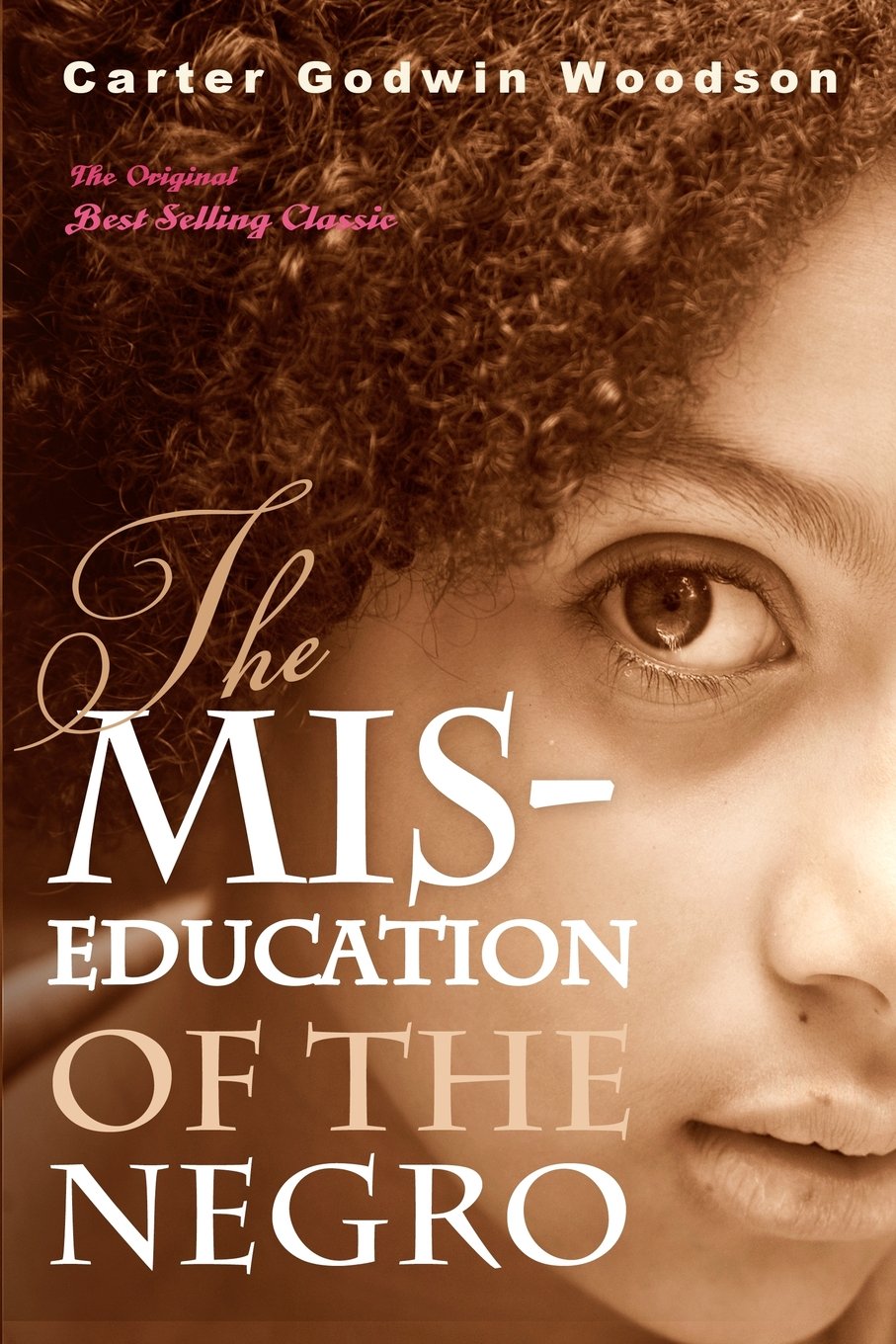
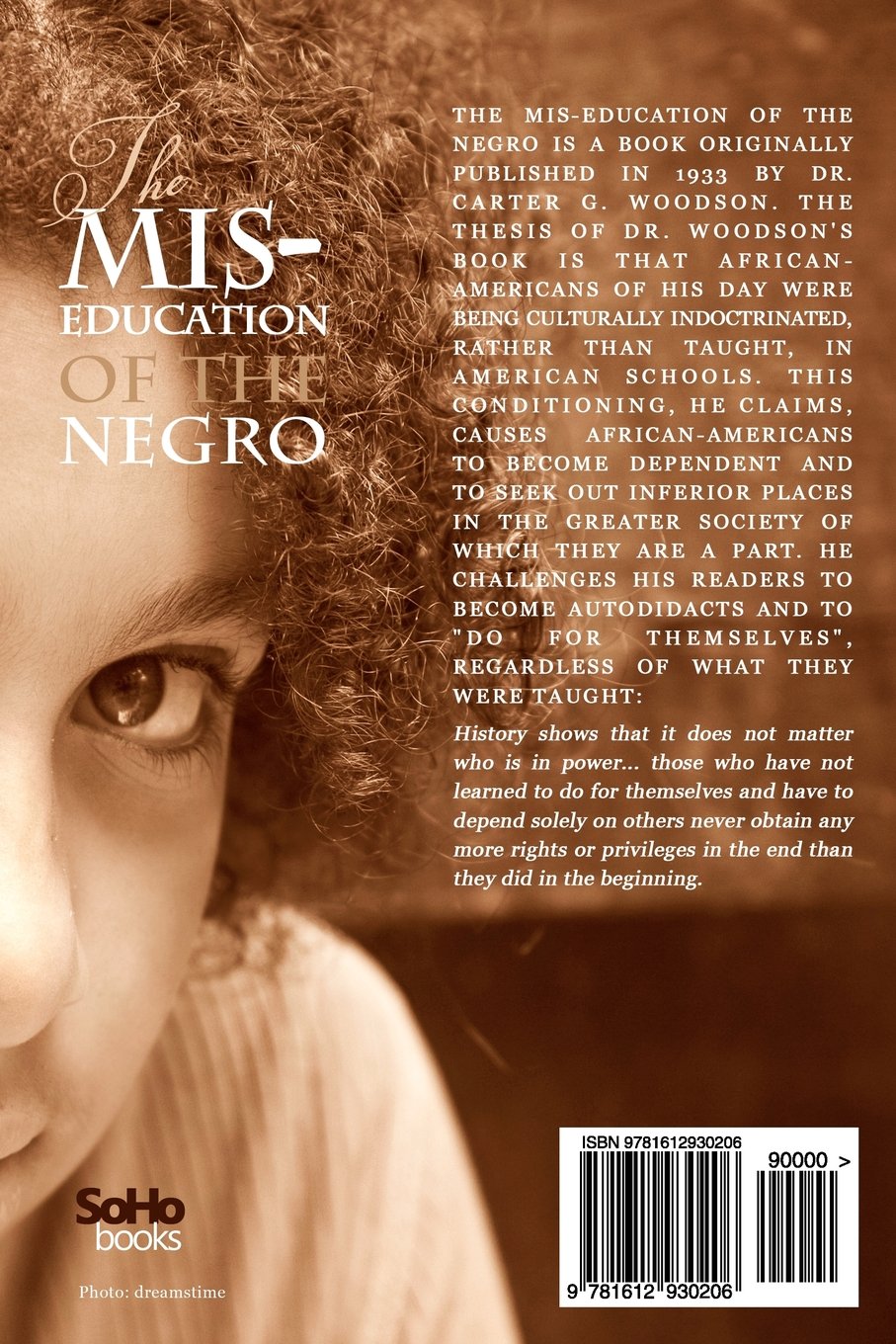


The Mis-Education of the Negro [Woodson, Carter Godwin] on desertcart.com. *FREE* shipping on qualifying offers. The Mis-Education of the Negro Review: New book - Great read, delivered early.. Review: Why aren't there more reviews of this classic by an African American giant? - The second African American (after W.E.B. Dubois) to gain a PhD at Harvard, Woodson had a multifaceted career as an "American historian, author, journalist, and the founder of the Association for the Study of African American Life and History". ["He was one of the first scholars to study the history of the African diaspora, including African-American history. A founder of The Journal of Negro History in 1916, Woodson has been called the "father of black history" - cited from the Wikipedia biographical article]. On the one hand, Carter criticized the preference of White leaders for industrial-vocational training of blacks, because this would continue subservient status for Blacks in American society. Liberal arts education provided the background in history, science, culture and politics needed for Blacks to communIcate and exercise their citizen rights in society. But he also decried exaggerated tendencies toward cultural eclecticism on the part of some Black leaders. Carter ascribed to the professional principles of historians that stressed breadth and accuracy. In tracing the history of the Journal of Negro History (now Journal of African American History), I find that it emphasized solid and meaningful scholarship and chronicling of Black life in America up through the later 1960s, but in more recent time published articles have tended to move toward more eclectic and specialized themes. This is partly understandable because until the Brown vs. Board of Education and subsequent advances in civil rights Black writers and editors probably felt a need to concentrate on critical issues. However, given the turmoil over Black issues in recent years, there certainly is a need for the kind of work that Carter's own publications exemplified.
| Best Sellers Rank | #2,213,528 in Books ( See Top 100 in Books ) #104 in African American Demographic Studies (Books) #427 in Black & African American History (Books) #454 in Discrimination & Racism |
| Customer Reviews | 4.8 4.8 out of 5 stars (5,796) |
| Dimensions | 6 x 0.36 x 9 inches |
| ISBN-10 | 1612930204 |
| ISBN-13 | 978-1612930206 |
| Item Weight | 8 ounces |
| Language | English |
| Print length | 144 pages |
| Publication date | July 3, 2011 |
| Publisher | Tribeca Books |
V**O
New book
Great read, delivered early..
F**M
Why aren't there more reviews of this classic by an African American giant?
The second African American (after W.E.B. Dubois) to gain a PhD at Harvard, Woodson had a multifaceted career as an "American historian, author, journalist, and the founder of the Association for the Study of African American Life and History". ["He was one of the first scholars to study the history of the African diaspora, including African-American history. A founder of The Journal of Negro History in 1916, Woodson has been called the "father of black history" - cited from the Wikipedia biographical article]. On the one hand, Carter criticized the preference of White leaders for industrial-vocational training of blacks, because this would continue subservient status for Blacks in American society. Liberal arts education provided the background in history, science, culture and politics needed for Blacks to communIcate and exercise their citizen rights in society. But he also decried exaggerated tendencies toward cultural eclecticism on the part of some Black leaders. Carter ascribed to the professional principles of historians that stressed breadth and accuracy. In tracing the history of the Journal of Negro History (now Journal of African American History), I find that it emphasized solid and meaningful scholarship and chronicling of Black life in America up through the later 1960s, but in more recent time published articles have tended to move toward more eclectic and specialized themes. This is partly understandable because until the Brown vs. Board of Education and subsequent advances in civil rights Black writers and editors probably felt a need to concentrate on critical issues. However, given the turmoil over Black issues in recent years, there certainly is a need for the kind of work that Carter's own publications exemplified.
U**S
great read
This book is enlightening to the obstacles of the past since the emancipation of slavery. More towards the end of the book there’s the relevance of the obstacles that still exist within amongst the blacks today! This book also gives great references to African history. And it serves as a great starting point of the journey of learning more about the African history
C**Z
Catalina
This was really good read
R**N
This book is priceless!
This is a wonderful book to help educate an individual. It is not only for blacks but for whites as well. It is important to understand the educational foundation that we are growing through. This book helps me move forward and be the best individual that I can be. It is very important that I use my Curious mind to get my answers. Sometimes I must go deeper than what is given to me on the surface. This is a wonderful book to look at how blacks have been miseducated. And if you happen to be non-melanated you can get much Pearls of Wisdom for yourself for the white community and if you are working with the black community.
M**E
Interesting
Having read this book within a few days of delivery, found it to be relevant and informative on the whole, however most of the information within it has been discussed many times by most people who are interested in this subject, and to be honest I found the content fairly dated. Yes it is worth reading in order to obtain the information AGAIN, but it was not as riveting or as informative as many other books out there about this subject and which are far more relevant to the 21st century. Hence I give the book 4 stars and would say there are more relevant books on this subject today or should I say I would expect there are, as the world has moved on in terms of education. However I can relate to lots of the issues in regards White Tutors trying to teach black students about European history and infact dismissing most of the actual black historical achievements as insignificant- but we (I hope) are aware of that, and do read between the lines whenever information is put out there, as that is standard in a white dominated society.
E**R
Black African American education good fall all ethnicities.
Educational necessity for all ethnicities to learn about what was done to a people.
C**N
SHOULD BE MANDATORY READING IN STUDYING BLACK HISTORY.
Where was this book when I was going to school from 1950-62? I could not put it down once I began to read it, because it reminded me of so much of what I needed in my growth and developement was not made available to me as a young person of color growing up in a segregated society, and many of those who think that we have arrived at a color-blind point in America need to read this book, and then compare it to what is happening with us today. The author was relevent then in his revelations and in his effort to open eyes and minds to the lack of knowledge of self, and is more relevent now, because, too many educated people of color find it even harder to succeed in today's job market and the available employment opportunities. We still allow others to control almost every aspect of our lives, including what we are to learn, think, and accept from the world in which we live and the institutions which influences the minds of our children. Morover, we continue to consume more of what others produce for us than what we produce for ourselves. It is time we become producers and traders of goods and services in this nation and in our communities, and we should insist that our children be taught skills that will help them to become self-sufficient and self-reliant. A college education means nothing if you cannot do more than just make a living, and if what you have studied is not marketable for more than teaching the same to someone else. Help someone to learn to produce something or provide a service that is needed by others in a world that is forever changing.
F**A
Prise de conscience, bien écrit
S**R
Very informative book. It’s sad that we’re still facing so many of the problems almost 100 years later.
A**R
What an amazing piece of literature. You are transported back in time as this narrative describes the present fate of the 'negro', the conditions in which he finds himself and how the social discourse and geo-political climate merely serve to further subjugate. The reader is immediately gripped by the almost polemical style of writing as Woodson caricatures the 'negro' in his discussion of mis - education. This caricature is necessary though to convey the way that the 'negro' is disenfranchised within the education system. Woodson manages it beautifully in this rhetorical masterpiece. It is striking that all the issues that Carter discusses are the issues of today. His writing comes across as patronising but this is not the intention. His message is clear. A must read for all those concerned with social justice. I could not put it down.
K**Y
I'M STILL READING, BUT I CAN SAY FOR SURE, THAT IT'S A VERY WONDERFUL BOOK, ALL THAT'S WRITTEN IS SO VERY TRUE , UNFORTUNATELY. I LOVED THIS EDITION, IT'S SIZE AND LETTERS ARE REALLY GOOD.
A**D
Read and be wise. This is a great book for anyone who is interested in learning about the truth
Trustpilot
5 days ago
1 week ago